Vietnam · 3 days · October 2026

3 Days in Hue Itinerary (2026): What to Do, Eat & Where to Stay

A budget-friendly 3D2N Hue itinerary: the Imperial City, Dong Ba Market, bun bo Hue spots, where to stay, and a full cost breakdown in SGD and VND.

Written by Shania Wong

October 4, 2026 · 14 min read

Length
3 days
Total spent
3,200,835₫
Best months
Feb · Apr
Map pins
6
Places of Interest
12
Heads up: some links here are affiliate links. Book through them and we might earn a little something, at zero extra cost to you. Mostly it goes towards more bun bo Hue.
Hue is stop #2 on our Vietnam Travel Guide series. Catch up on the earlier legs or skip ahead, we won't judge!

Hue doesn't get the hype of Hanoi or Hoi An, and honestly, that's part of its charm. Once the seat of Vietnam's last royal dynasty, it's a slow, atmospheric city of crumbling citadel walls, misty riverbanks and, of course, the best bun bo Hue you'll ever have (it was born here, after all).

This 3-day Hue itinerary covers everything we did in 3D2N, from the Imperial City and Dong Ba Market to the roadside stalls worth queuing for. It also covers where to stay at every budget, how to get around, and a full cost breakdown. We spent about S$158 for two people, flights included. If you're wondering what to do in Hue or whether it's worth a stop on your Vietnam trip, this Hue travel guide has you covered.

Best Time to Visit Hue

Hue has two main seasons, and they feel very different:

  • Dry season (February to August): The best time to visit. Spring (February to April) is mild and comfortable for walking around the citadel. From May to August it gets hot and humid, often well above 30°C, so plan sightseeing for early mornings.
  • Wet season (September to December): Expect cool, grey days and frequent rain. October and November are the wettest months and can bring flooding. By December the heavy rain eases into drizzle, but it's the coolest time of year.

We visited in December, during the wet season. It rained on and off, but the misty, moody Imperial City was a sight in itself. If you're visiting during these months, pack a light rain jacket and a warm layer.

Tip: If you're visiting during the wet season, choose a room with AC so you can use the heater to dry clothes and shoes.

How to Get to Hue

Depending on the length of your trip, it’ll affect your considerations when deciding on the mode of transportation between cities. As we wanted to maximise the time we had to explore, we chose the fastest mode which was via a 1.5hr flight since it wasn’t that much more cost wise either.

By Plane

Ho Chi Minh City (SGN) to Hue (HUI)

  • Price (One Way): S$46 per person (806,775₫)
  • Duration: About 1 hr 30 mins
    Where we got our tickets: Baolau (cheapest option after comparing several sites)

If you’ve got more time to spare or on a tighter budget, you can consider other modes such as via overnight train or bus. It will take almost a full day of travelling as it’s quite a distance away.

By Overnight Train

Ho Chi Minh Railway Station to Hue Railway Station

  • Price: Ranges from S$55 to S$97 depending on type of seat booked (Price list shown below)
  • Duration: Ranges from 18 to 22 hours depending on train booked

Note: The timings and prices below may vary depending on the train service provider.

Train Number Duration Departure Arrival Hard Seat (S$) Soft Seat (S$) Hard Berth (S$) Soft Berth (S$)
SE2 18h 24min 21:55 16:19 55 65 92 97
SE4 19h 41min 19:45 15:26 55 65 92 97
SE6 19h 52min 9:00 04:52 55 65 92 97
SE8 19h 34 min 6:00 1:34 55 65 92 97
SE10 22h 58min 14:00 12:58 55 65 92 97
SE12 22h 07:55 05:55 55 65 92 97

By Bus

Binh Thanh District or Thu Duc District to Hue City (May differ depending on bus service provider)

  • Price: Around S$37
  • Duration: 25 hours

Pro-Tip: Pre-book your tickets and bring your own snacks

Bring your own Banh Mi, snacks and water up on board for the long journey ahead although the bus will stop at a few rest stops along the way where you can restock on food and water. You can also pre-book your tickets on 12Go or Easybook.

Getting into Hue City

We’ve read on a few blogs that there were still buses (5,000₫ to 25,000₫ depending on route) running from Hue Airport to Hue City, but unfortunately, we could not find any.

The people outside of the airport were not very helpful either as they were “forcing” all the foreigners to take their private minivan into the city which costs almost 30 USD per person.

Not wanting to pay that ridiculous price for a ride into the city, we walked further out and found a security post which also could not point us to a bus stop nearby.

Hence, we settled for a taxi (100,000₫ = S$5.70) further out the front gate, which was way cheaper than the private minivan.

Where to Stay in Hue

Luxury Picks

TTC Imperial Hotel features panoramic views of the Perfume River from its rooftop bar. This hotel is conveniently located about 2km from both the Imperial City and Huế railway station, and a 13-minute walk from Dong Ba Market. Other amenities include 2 restaurants, an outdoor pool, spa, and gym.

Eldora Hotel is another option that is slightly further down the street from TTC Imperial Hotel. There is also a rooftop bar featuring city views, a spa, gym, indoor pool and a sundeck.

Comfortable Mid Range Options

Thai Binh Hotel 2 is a reliable, no-fuss choice with clean rooms and friendly service at a fair price. It's a good base if you want comfort without paying for extras you won't use.

Mondial Hotel offers a polished hotel within easy reach of the Imperial City, with a pool and spa to unwind in after a long day of sightseeing.

Vina Spa Hotel is a central, modern stay that leans into relaxation. It's ideal if a massage after a day of tombs and temples is part of your plan.

Budget Choices

Ruby Hotel is located in the city centre, and it's a smart pick if you want to walk to restaurants and cafés without stretching your budget.

Canary Boutique Hotel offers boutique touches at a backpacker price, which makes it one of the better-value stays in Hue.

Hung Long Hostel is a simple, wallet-friendly option for solo travellers and anyone who just needs a comfy bed between adventures.

Things to Do in Hue

Hue is compact, and most of its highlights sit along the Perfume River. Here are the best things to do in Hue, from the sights we squeezed into 3 days to the ones we'd add next time.

1. Explore the Hue Imperial City

The heart of Hue and a UNESCO World Heritage Site. This walled complex was home to the Nguyen emperors, Vietnam's last royal dynasty. Budget at least 2 to 3 hours to wander its gates, throne halls and quiet courtyards. Entrance: 200,000₫ per adult.

2. Eat Your Way Through Dong Ba Market

Hue's biggest market, and a great place for breakfast. Come early for local snacks like banh ram it, and wander the stalls before the crowds arrive.

3. Slurp Bun Bo Hue Where It Was Born

You can't leave Hue without eating its signature spicy beef noodle soup. Our favourites were Bun Bo Hue Ba Gai and a roadside stall we stumbled into (details in the itinerary below).

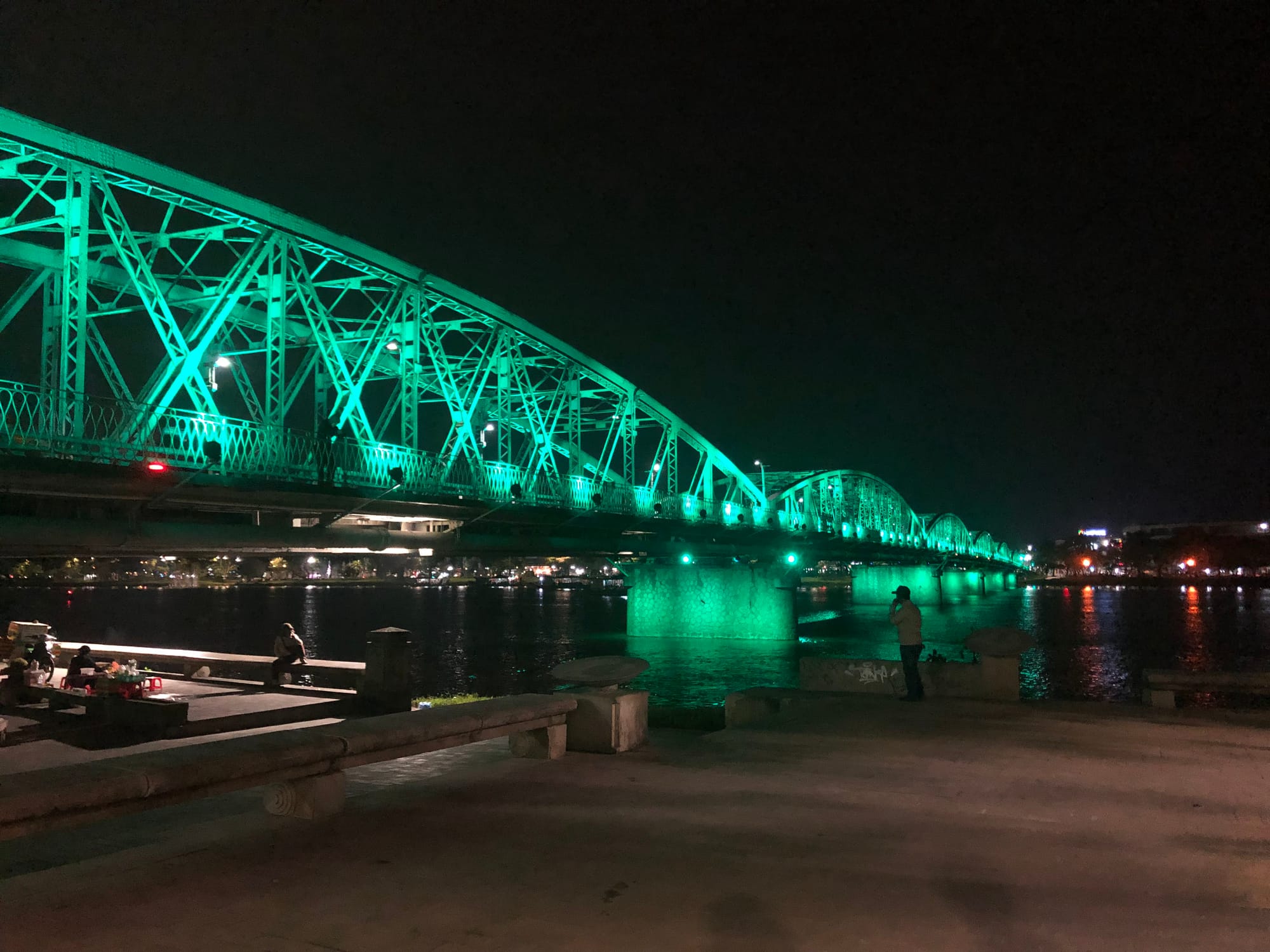
4. Walk Truong Tien Bridge at Night

This iron bridge over the Perfume River lights up in changing colours after dark. Pair it with an evening stroll along the riverside and the nearby food stalls.

5. Visit the Royal Tombs (if you have an extra day)

The Nguyen emperors built elaborate tombs in the hills outside the city, each with its own personality:

  • Tu Duc Tomb: Peaceful, with lakes and pine trees. It was used as a retreat while the emperor was still alive.
  • Khai Dinh Tomb: Small but striking, with a lavish glass-and-porcelain mosaic interior.
  • Minh Mang Tomb: Grand and symmetrical, set among lakes and gardens.

Each costs 150,000₫. Combo tickets with the Imperial City start from 420,000₫ and save you a bit.

6. See Thien Mu Pagoda

Hue's most iconic pagoda, with a seven-storey tower overlooking the Perfume River. It's free to enter, and you can combine it with a boat ride.

7. Take a Perfume River Boat Ride

A slow, relaxing way to see Hue from the water. Many boats stop at Thien Mu Pagoda along the way.

8. Ride the Train Over the Hai Van Pass

Leaving Hue? Take the train to Da Nang instead of the bus. The route hugs the coastline for some of the best views in Vietnam. Sit on the left side for sea views.

Local Food in Hue: Dishes You Have to Try

As Vietnam's old royal capital, Hue has a food scene all its own. Some dishes started in the imperial kitchens and others on the street, and Hue cooking is known for being spicier than anywhere else in the country.

Here are the local specialities worth hunting down, whether or not they made it into our itinerary:

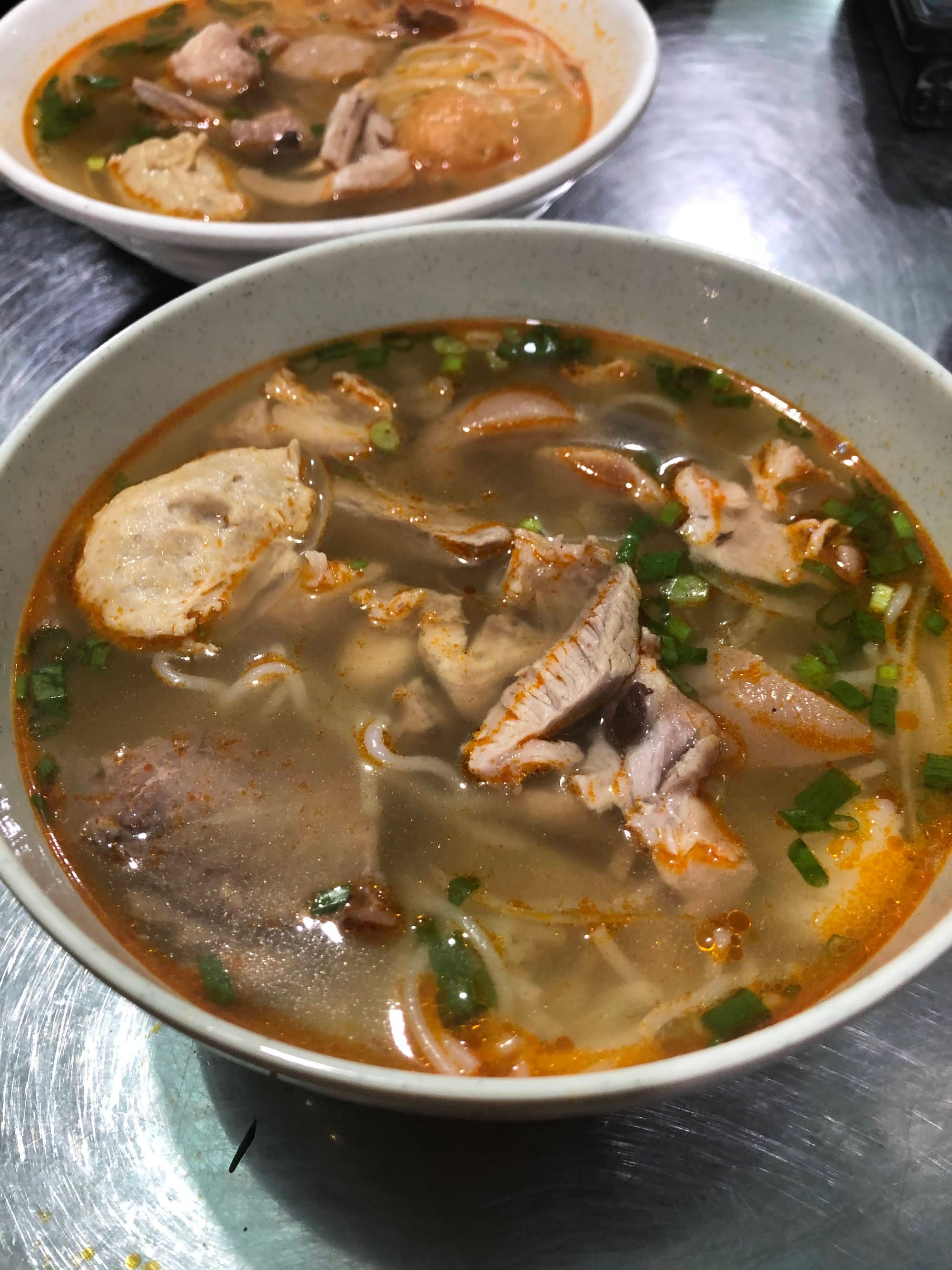
1. Bun Bo Hue

The city's signature dish and the reason many people visit. It's a rich, spicy beef noodle soup flavoured with lemongrass and fermented shrimp paste, served with thick round rice noodles and usually topped with beef shank, pork knuckle and pork patties. (We had it twice. More on where we had it in Day 1 and Day 2 below.)

2. Com Hen (Baby Clam Rice)

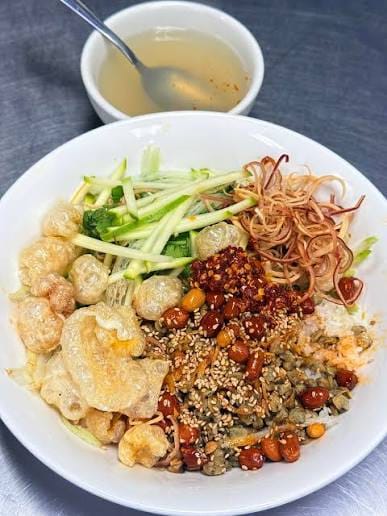
A humble local favourite of rice tossed with tiny stir-fried river clams, herbs, peanuts and crispy pork crackling, with a little clam broth on the side. It's cheap, punchy and very Hue.

Vietnamese Baby Clam Rice
Banh Beo Vietnamese Steamed Rice Cakes

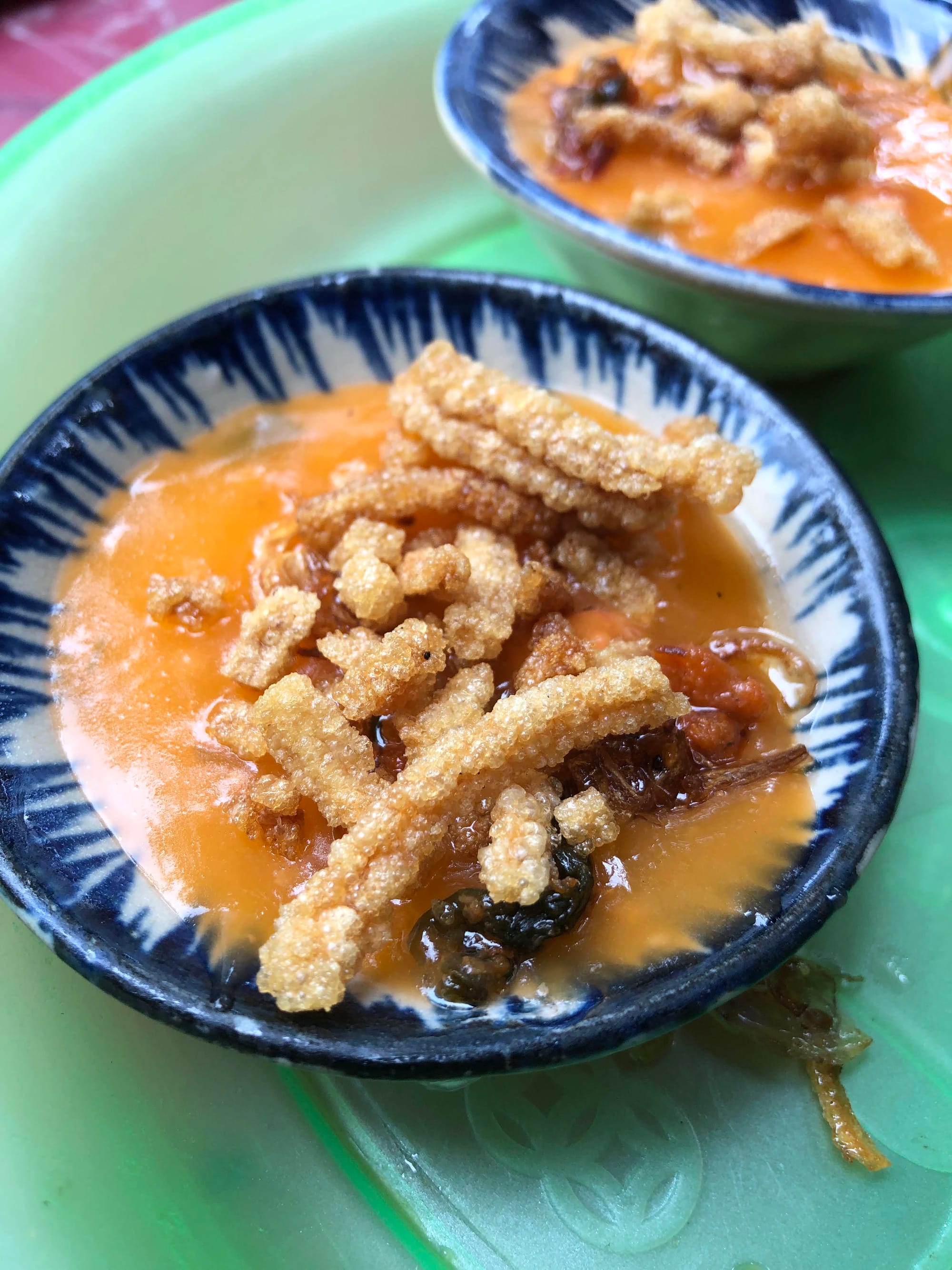
3. Banh Beo (Steamed Rice Cakes)

Bite-sized rice flour cakes steamed in little saucers and topped with dried shrimp, crispy pork skin and a drizzle of fish sauce. You scoop them out with a spoon, one at a time.

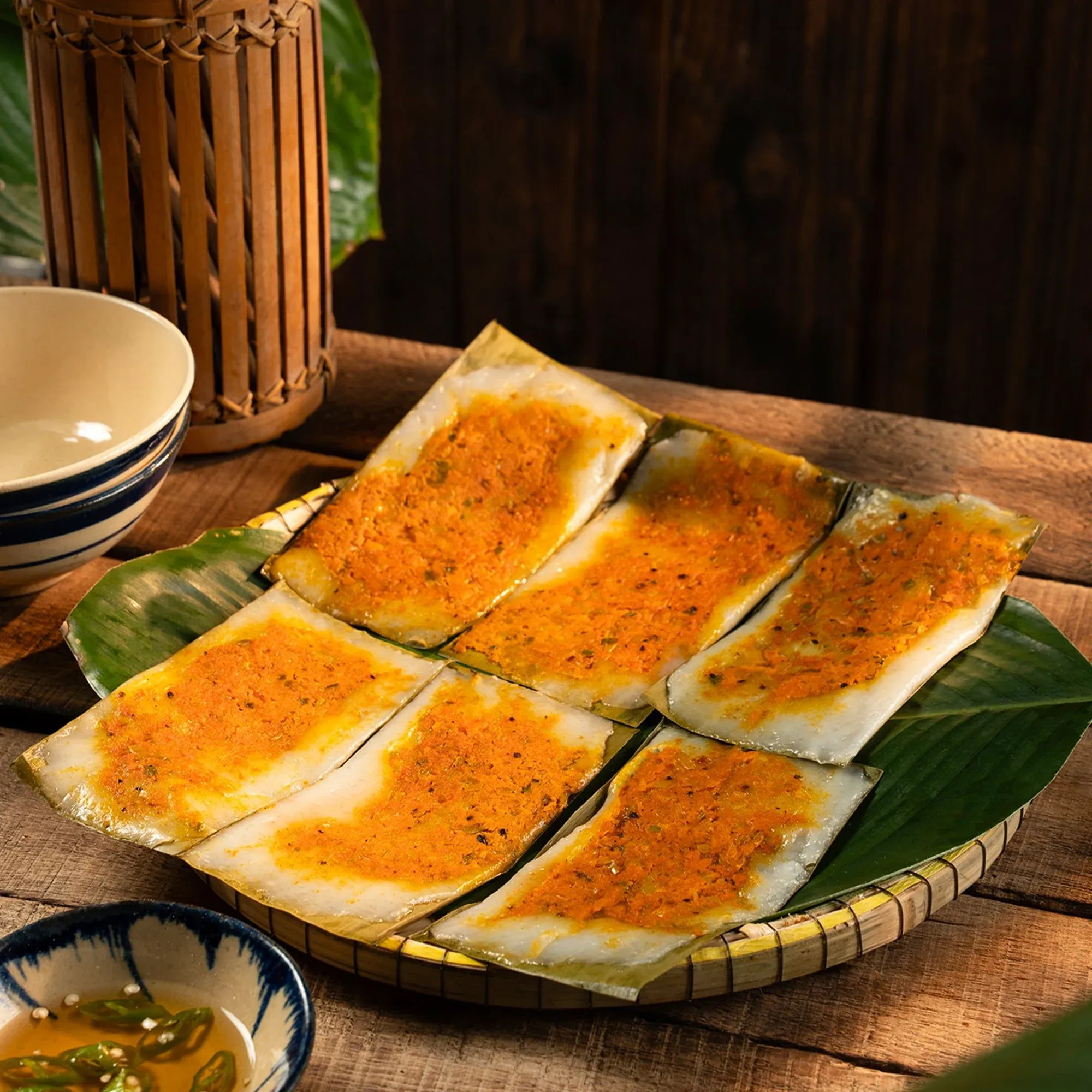
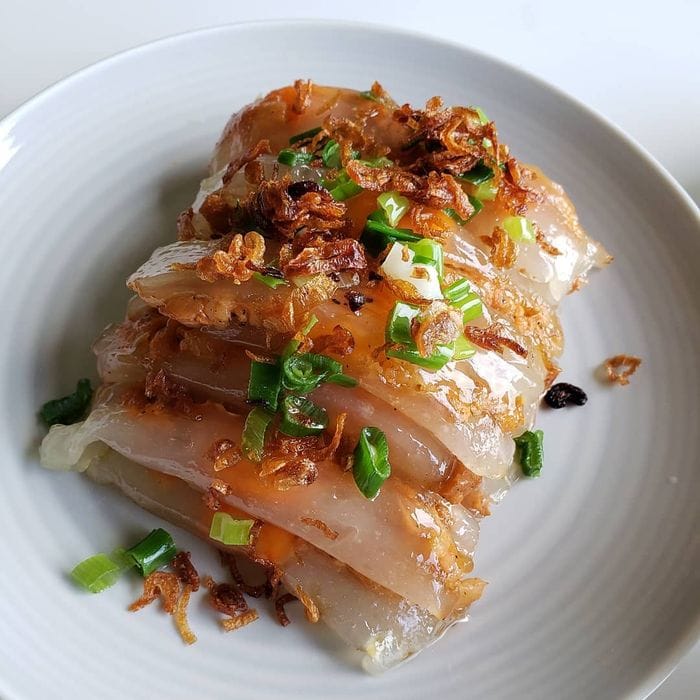
4. Banh Nam & Banh Loc (Royal Dumplings)

Two classic Hue snacks often served together. Banh nam is a flat, soft rice cake with minced shrimp and pork, steamed inside a banana leaf. Banh loc is a chewy, translucent tapioca dumpling with a whole shrimp and a piece of pork inside.

Banh Nam
Banh Loc

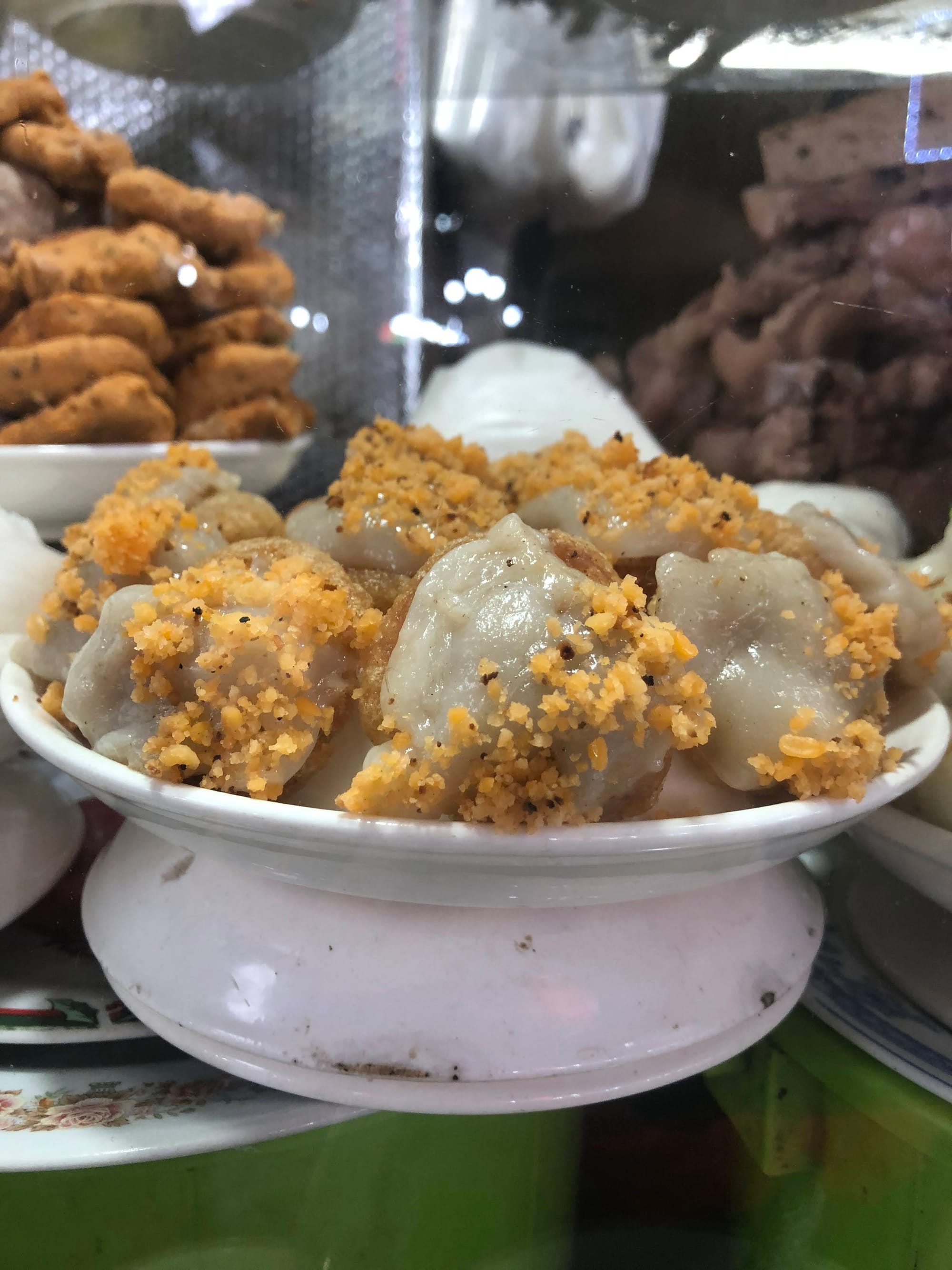
5. Banh Ram It

A sticky rice dumpling on top of a crispy fried rice cake, which is where the name comes from (ram is crispy, it is the soft sticky part). It's a great mix of textures. (We tried this at Dong Ba Market. More in Day 2 below.)

6. Banh Khoai (Hue-Style Crispy Pancake)

Hue's smaller, crunchier version of banh xeo, filled with shrimp, pork and bean sprouts. It comes with a thick peanut-based dipping sauce instead of the usual fish sauce.

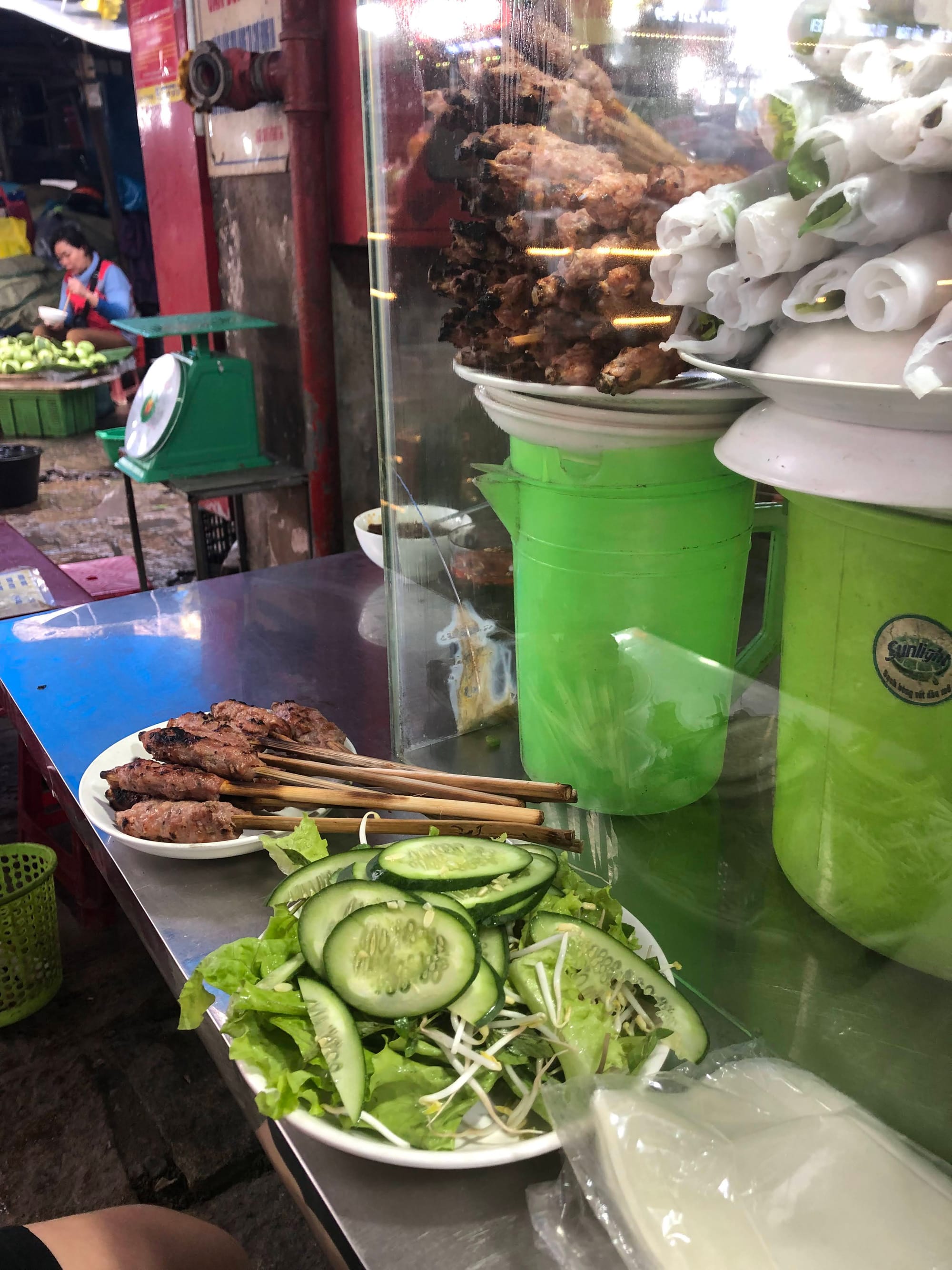
7. Nem Lui (Lemongrass Pork Skewers)

Minced pork wrapped around lemongrass stalks and grilled. Roll them in rice paper with herbs and green banana, then dip them in peanut sauce.

Nem Lui Vietnamese Lemongrass Pork Skewers
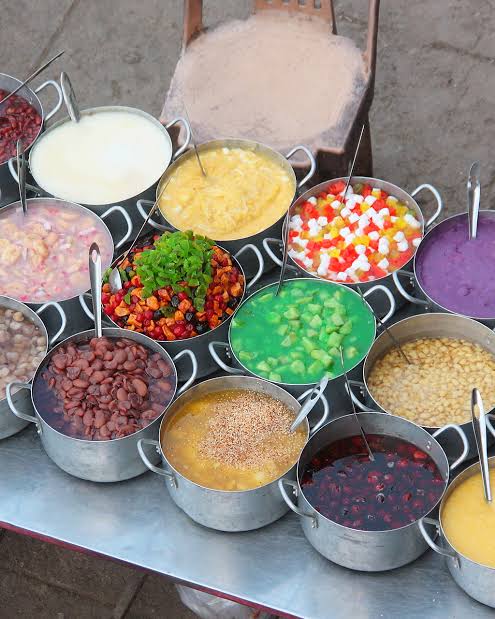
Che Vietnamese Dessert Soups

8. Che Hue (Sweet Dessert Soups)

Hue is famous for its huge variety of che, sweet soups and puddings made with beans, tapioca, coconut milk and fruit. Pick a few at random from a che stall and work your way through them.

9. Ca Phe Muoi (Salt Coffee)

Hue's own coffee creation is strong Vietnamese coffee topped with a lightly salted cream. It sounds odd, but it works, a bit like salted caramel.

Day 1 · Hue South Bank

Day 1 in Hue: Bun Bo Hue & Truong Tien Bridge

Just a chill evening exploring the nearby areas of our Hotel and grabbing some dinner to fill our stomachs after a long day of travelling on the road… here’s what we found:

  • Lots of street vendors late at night opening food stands along the road side
  • Found some amazing Bun Bo Hue (Vietnamese Spicy Beef Noodle Soup)
  • Took a stroll along the river to help digest our food before turning in to rest & recharge!

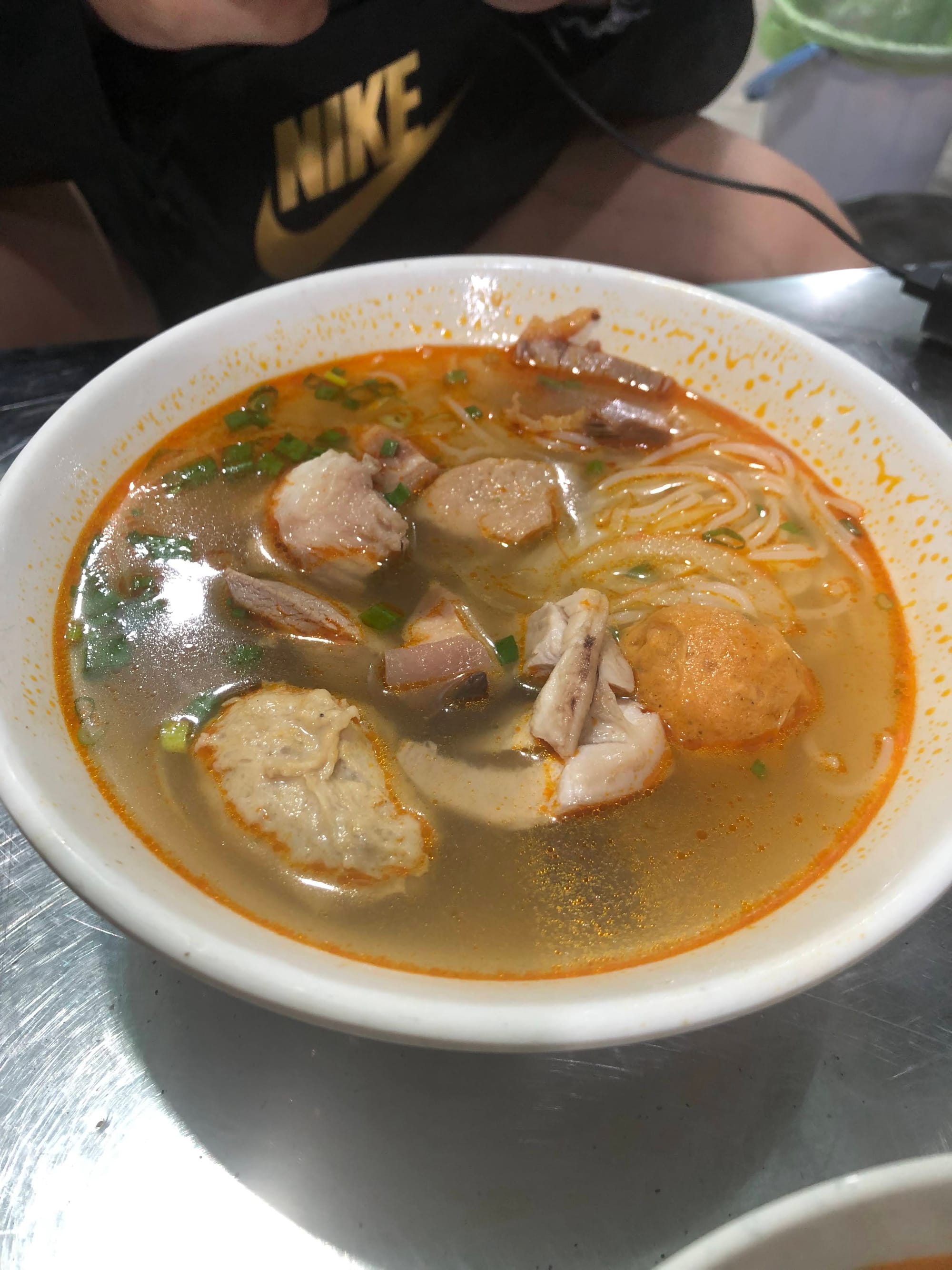
Bun Bo Hue Ba Gai

Operating hours: 5.30am - 2.30am daily

Who can pass up a bowl of hot noodle soup on a cold, windy night out?

We were walking around the neighbourhood and chanced upon this Bun Bo Hue store that was still open amidst the dead looking street…

There were a few other stores that were still open, but most of the locals were in this store so we decided to check it out!

Fortunately, it did not disappoint, and was one of the better Bun Bo Hues we had thus far! (We ordered the Thap Cam & Dac Biet option)

Total cost: 90,000₫ (S$5.00)
thap cam
dac biet

Truong Tien bridge

A great place for a stroll to walk off the calories/ help with digestion after your meal (and enjoy the cool weather)
IMG_4843.jpg

Day 2 · Hue Citadel

Day 2 in Hue: Dong Ba Market & Imperial City

Our only full day to really explore the city and although it was cold, rainy, and gloomy the whole day, here’s how we made the most of it:

  • Fueled ourselves for the day at Dong Ba morning market
  • Walked off breakfast by exploring the ancient Imperial City
  • Stopped by for more Bun Bo Hue for lunch and some coffee
  • Intermissioned with a nap to recharge before heading out for more food!
  • Went to grab more Bun Bo Hue for dinner and coffee for tomorrow’s early headstart

Dong Ba Morning Market

If you’re looking for a place to check-off your local food bucketlist, then this is the place to be in.

There are tons of vendors selling fresh produce and cooked foods. You name it, if they have it, they’ll serve you or you can ask them where you can find the dish elsewhere and they’ll suggest another store.

If you like dumplings/ mochi, then you’ll want to try this local specialty (Banh Ram It) out when you’re here. It has a crispy base, and a mochi like dumpling on top, served in some sweet sauce.
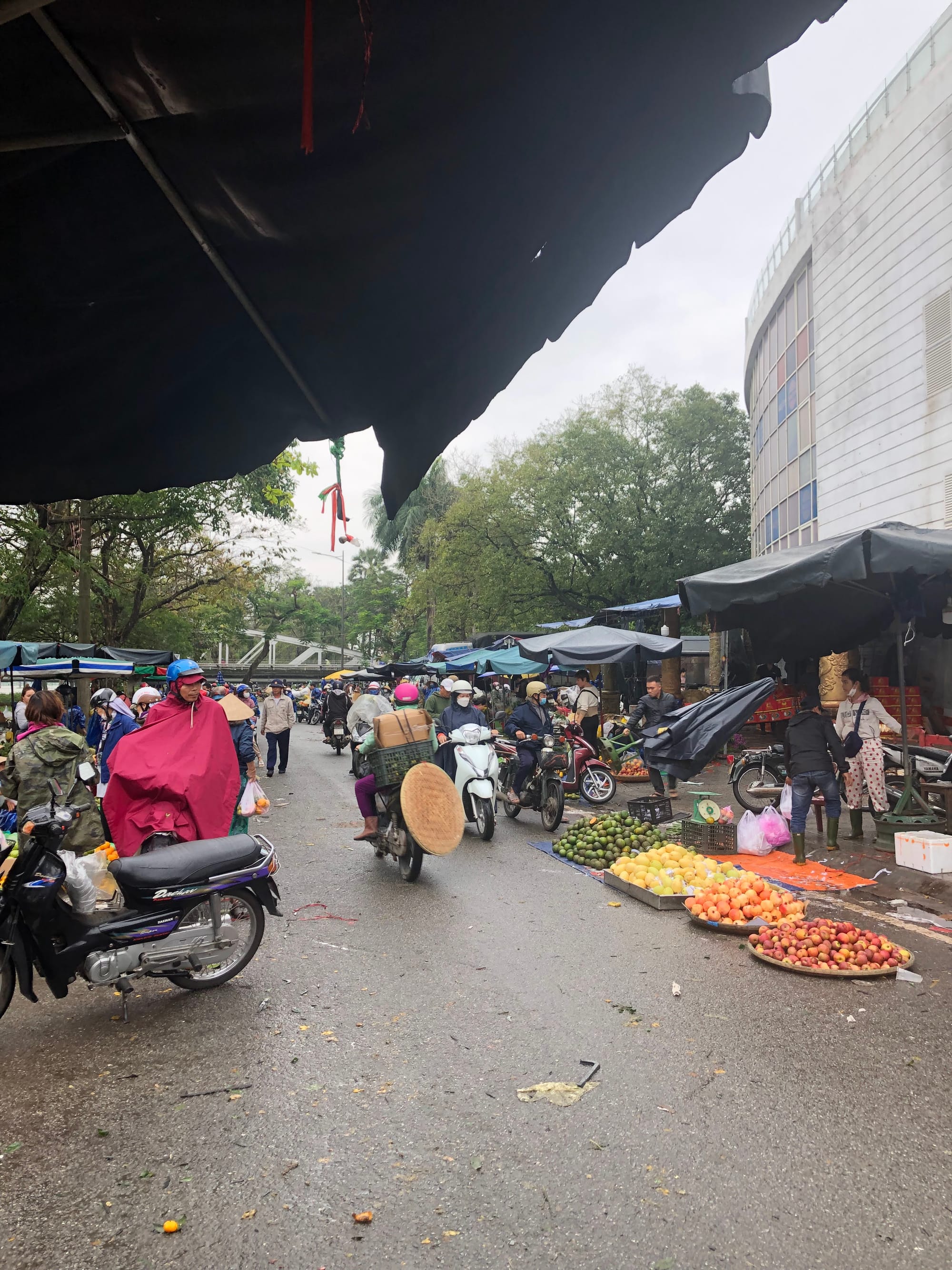
Banh Ram It
Dong Ba Market

Hue Imperial City

Operating hours: 7am – 5.30pm daily

The main attraction in this city is the tour of the old imperial city. You can get tickets from the kiosk at the entrance when you arrive, or online here.

It’ll take up at least half your day here with lots of walking, but if you’re interested in the history of this city, then it’s definitely worth a visit!

The Lab Coffee

Operating hours: 7am – 9.30pm daily

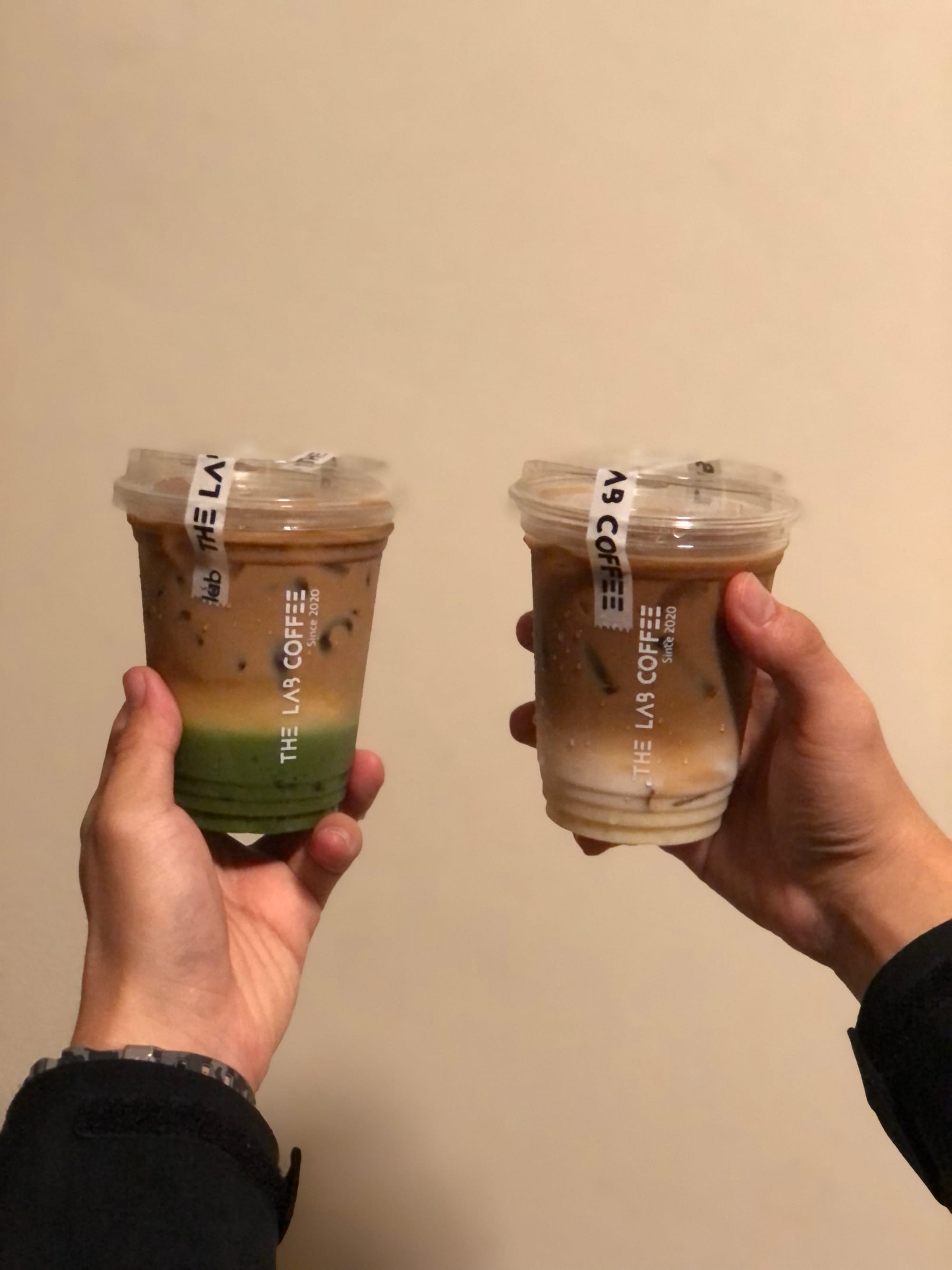
We enjoyed the coffee so much we got 3 cups in 2 days… this cafe was located right beside our hotel so we decided to get our quick coffee fix here on the first day.

Here’s what we ordered:

  1. Salted Coffee + Coconut Jelly
  2. Matcha Coffee + Peach Jelly
  3. Iced White Coffee + White Bubble

Total cost: 114,000₫ (S$6.40)
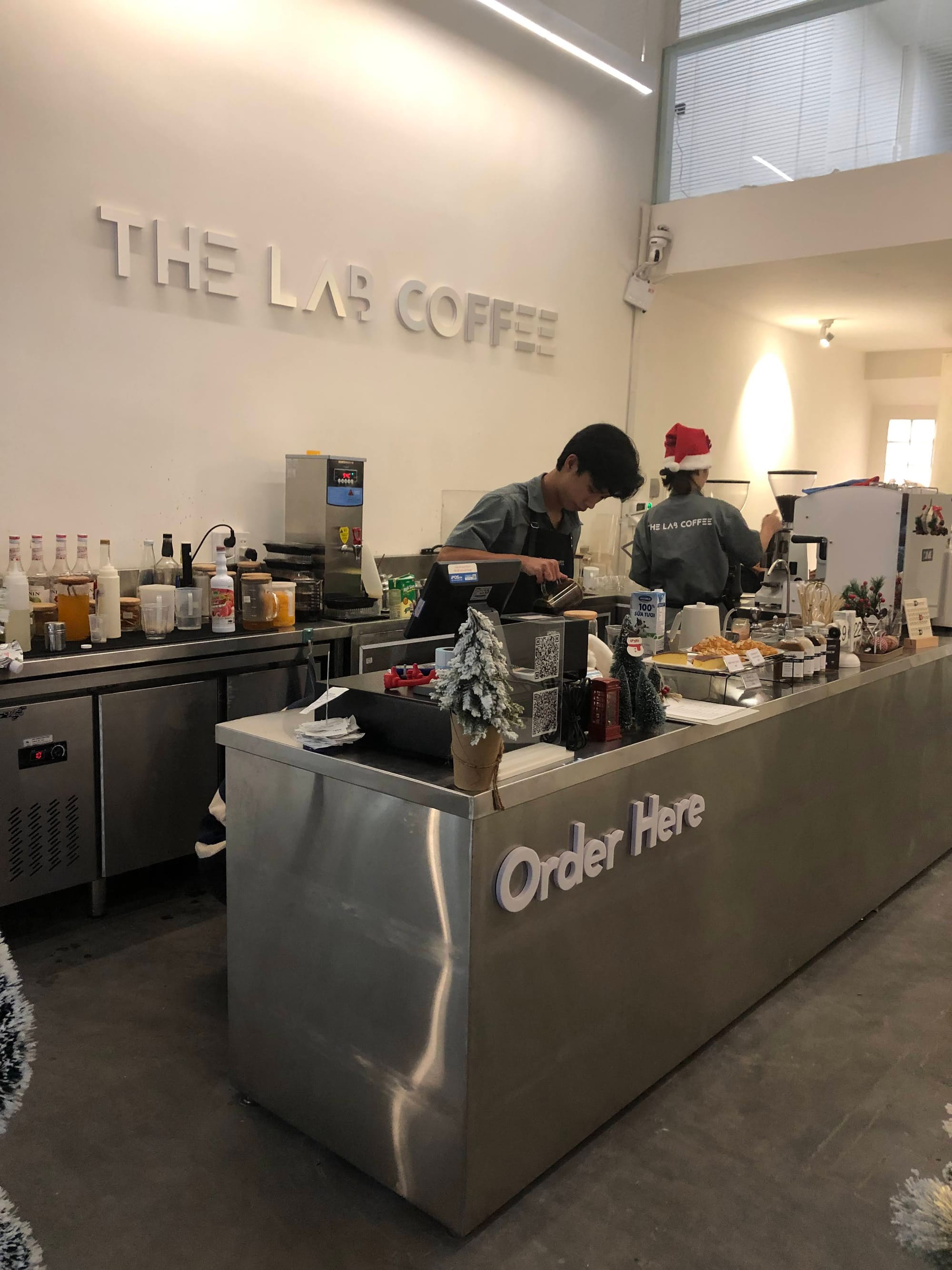
The Lab Coffee
Matcha Coffee and Iced White Coffee from The Lab Coffee

Dinner: Roadside Bun Bo Hue

After our amazing nap back in the hotel after a rainy walk around the Imperial city, we were back out hunting for dinner.

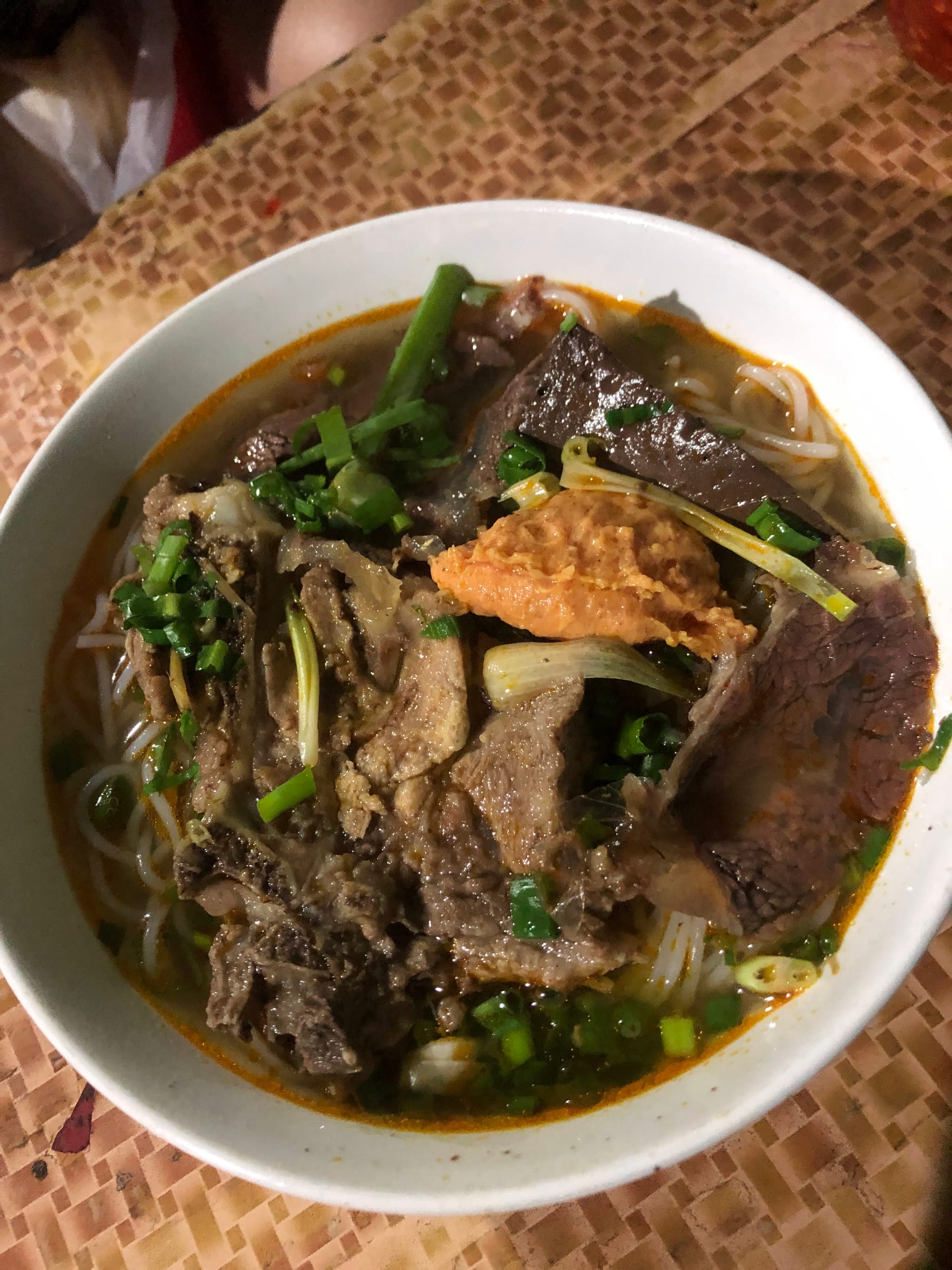
We chanced upon this aunty sat along the roadside boiling her pot of Bun Bo Hue soup, plugged into a public electrical line which we still have no idea how she did so…

Tasted amazing, no other words needed to describe this wholesome bowl of Bun Bo Hue with a generous amount of toppings!

Cost: 40,000₫ (S$2.30)
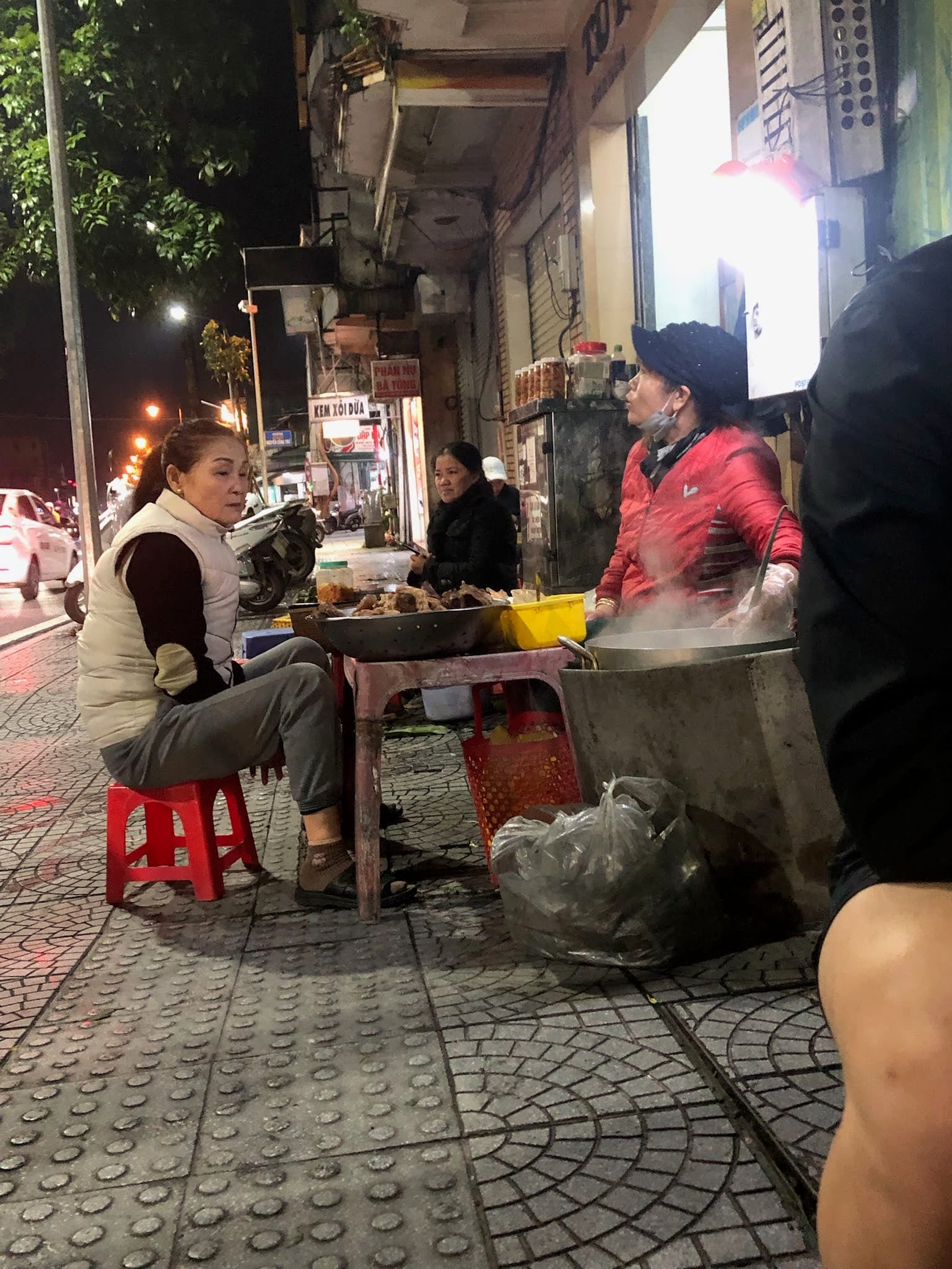
Roadside bun bo hue
Bun Bo Hue along the roadside

Day 3 · Hue Railway Station

Day 3: Morning Train from Hue to Da Nang

Today, its time to move on to our next city! With some convenience store bread and the 2 coffees we took away from The Lab Coffee the night before, we started off our day early by walking to Hue Railway Station at 5am…

Hue Railway Station

Looks kinda creepy and straight out of a horror movie… I know but our train was at 6am…

There are some stores nearby the train station that is open so you can get your Banh mis and eat on board the train. There are also some snack shops selling instant noodles and snacks inside the train station (although overpriced) if you prefer processed over fresh food…

Pro-tip: Sit on the Left Side

If you’re heading to Da Nang via the train, you’ll want to sit on the left side of the train for the beautiful sea view along the way!
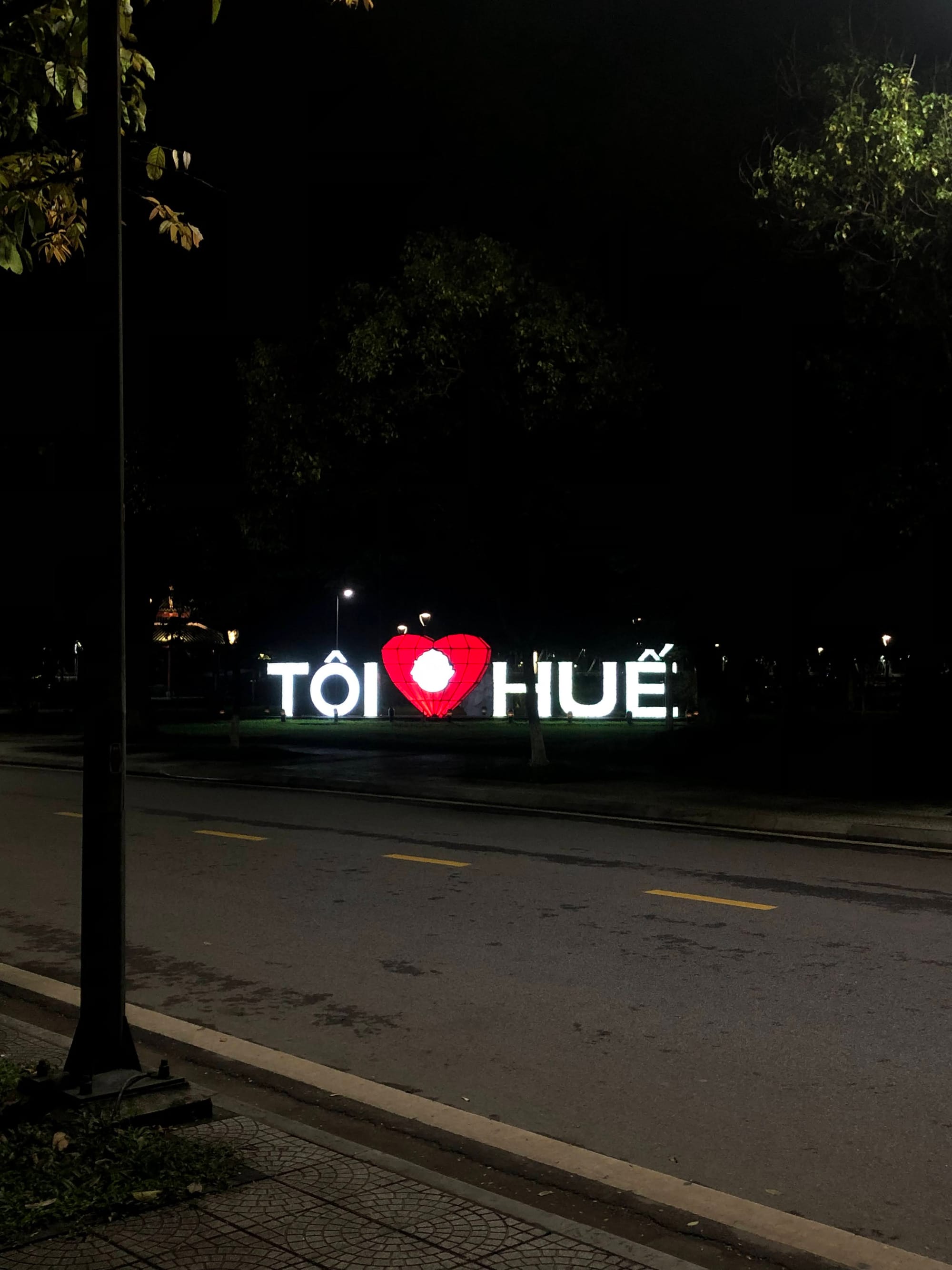
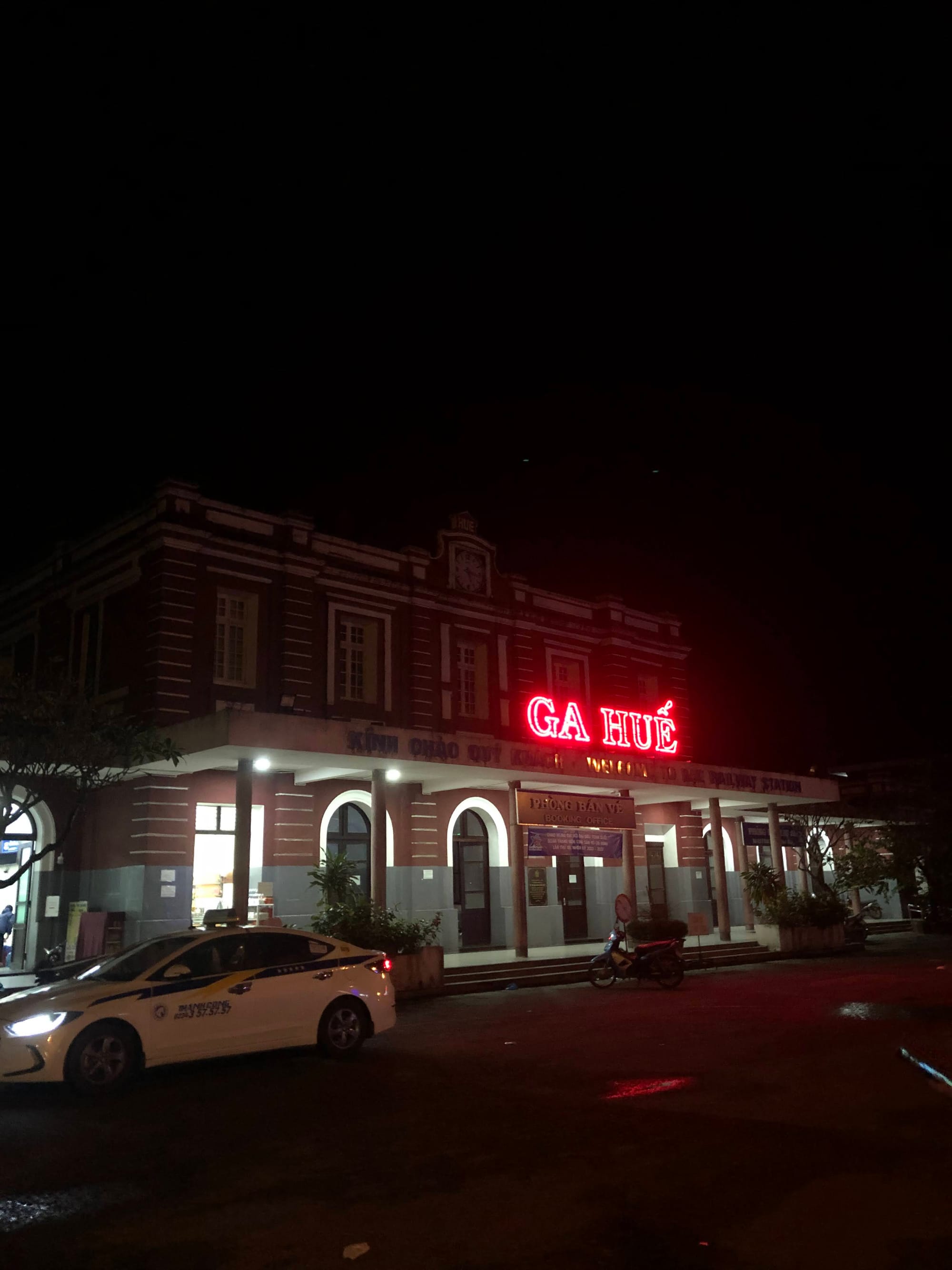
Hue City Sign Lit Up
Hue Railway Station in the early morning

Cost breakdown for Hue

Expense Cost (SGD) Cost (VND)
Transport
Flight from SGN to HUI + taxi from airport to city centre
S$85.97 1,746,478₫
Food & Water S$33.93 689,357₫
Activities
Imperial City entrance tickets
S$19.69 400,000₫
Accommodation
2 pax, 2 nights
S$17.97 365,000₫
Total S$157.56 3,200,835₫

SGD amounts converted at S$1 = 20,315.59₫ (October 2026). Rates fluctuate, so please check a live converter before you budget.

From Hue, we caught the early train down the coast to Da Nang and hopped on a minivan to Hoi An, swapping imperial palaces for lantern-lit streets and riverside cafés. Here's how we spent our days there, from tailor shops to the best cao lau we ate: Read Part 3: Hoi An Itinerary

Planning the whole trip? Our Complete Vietnam Travel Guide brings every stop together: Ho Chi Minh City, Hue, Hoi An and more, with routes, budgets and booking tips all in one place.

Hue Travel FAQ

How many days do you need in Hue?

Two to three days is ideal. Two days covers the Imperial City, Dong Ba Market and the food scene. Add a third day for the royal tombs, Thien Mu Pagoda and a Perfume River boat ride.

Is Hue worth visiting?

Yes, especially if you're interested in history and food. Hue is quieter and less touristy than Hoi An, with a UNESCO-listed citadel and some of Vietnam's best regional cooking.

How much is the Hue Imperial City entrance fee?

Entrance into the Imperial City is around 200,000₫ per adult (as of 2026). Combo tickets that include the royal tombs start from 420,000₫. Both tickets can be found online here.

What is Hue famous for?

Hue is best known as Vietnam's former imperial capital, home to the Nguyen dynasty from 1802 to 1945. It's also famous for bun bo Hue, its royal tombs and the Perfume River.

How do you get from Hue to Hoi An?

There's no direct public transport. Take the train or a bus to Da Nang (about 2.5 to 3.5 hours by train), then a taxi or shared minivan to Hoi An (about 45 minutes). A private car can take you door to door in roughly 3 hours.

How much does a trip to Hue cost?

We spent about S$158 for two people over 3D2N, including flights from Ho Chi Minh City, food, Imperial City tickets and accommodation. See our full cost breakdown above.